Zinc is categorised as a transition metal. The bluish-white and brittle metal is often used for galvanising iron and steel parts. Zinc is an excellent corrosion inhibitor and provides both active and passive protection against corrosion. It forms a barrier against corrosion and also protects other neighbouring iron surfaces.
When exposed to air, zinc forms a protective layer of zinc carbonate and zinc oxide, which protects the metal from weather-related corrosive influences. The protective layer is also known as zinc patina. In terms of its colour, the protective layer develops into a grey tone. Slight discolouration and residues of grease and lubricants are often unavoidable and are common in practice. Zinc is susceptible to acids and bases (lime or cement mortar).
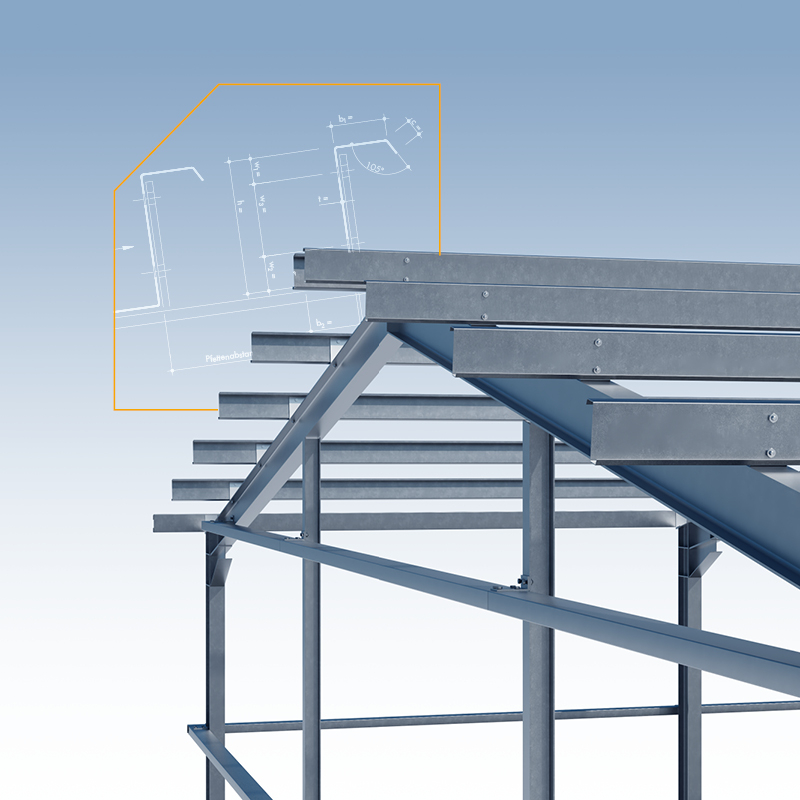
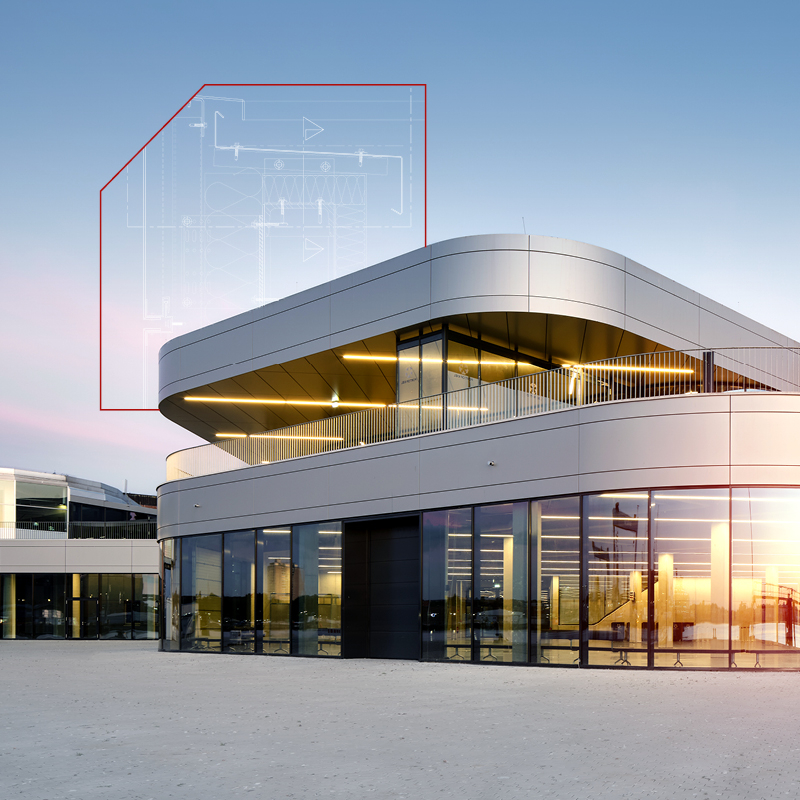
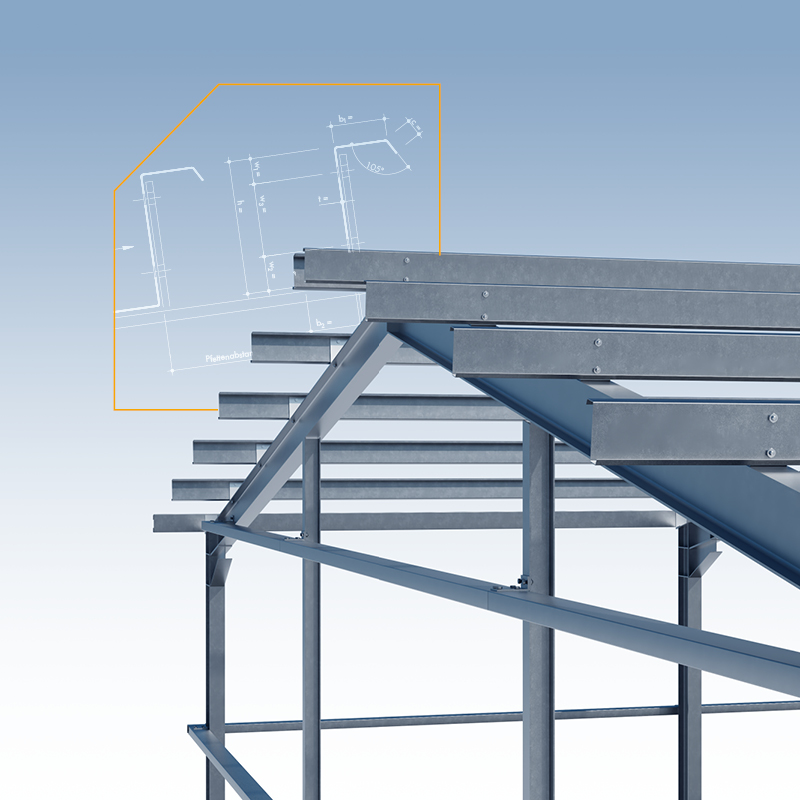
Zinc sheets are often used in the construction of roofs (roof coverings, connections of roof valleys, gutters, downpipes or exterior window sills).
Fine zinc with alloys is often used. Titanium zinc, for example, is more corrosion-resistant, less brittle and more mechanically resilient than pure zinc. Zinc generally has a long service life. Up to 100 years are possible.